
On 6 and 7 July 2026, the Scuola di Perfezionamento per le Forze di Polizia (SFP) hosted a two-day seminar organized by the National Guarantor for the Rights of Persons Deprived of Personal Liberty (GNPL) in collaboration with the Italian Association of Young Lawyers (AIGA).
The conference, titled “Criminal Enforcement Law: Issues and Prospects. Relevant Legislation, Practices, and Judicial Interpretation,”was focused on the structural challenges of the prison system and proposals for a reform that can no longer be postponed, through the collaborative efforts of judges, lawyers, academics, and institutional representatives, united in the goal of addressing the legal, organizational, social, and cultural dimensions of incarceration.
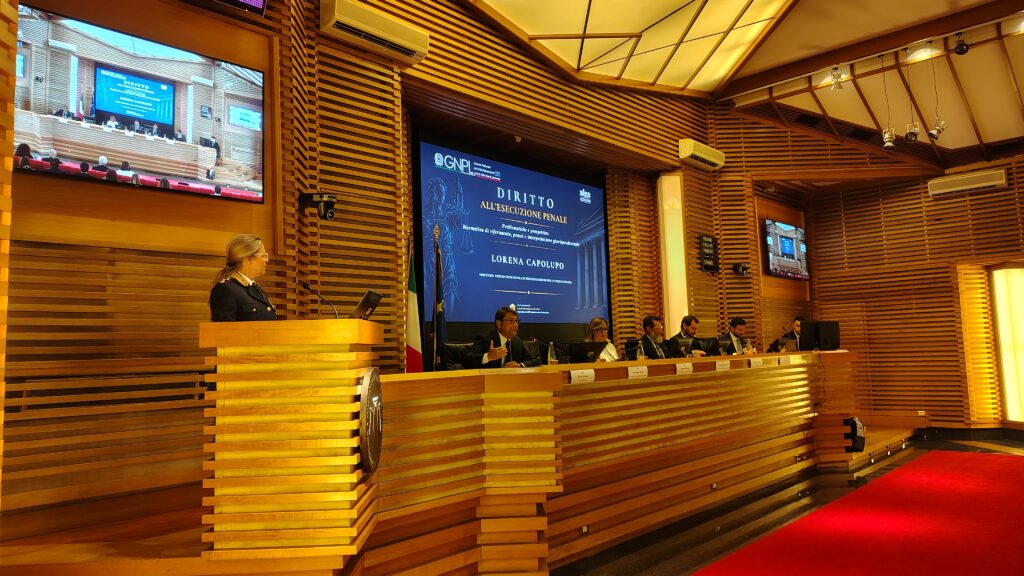
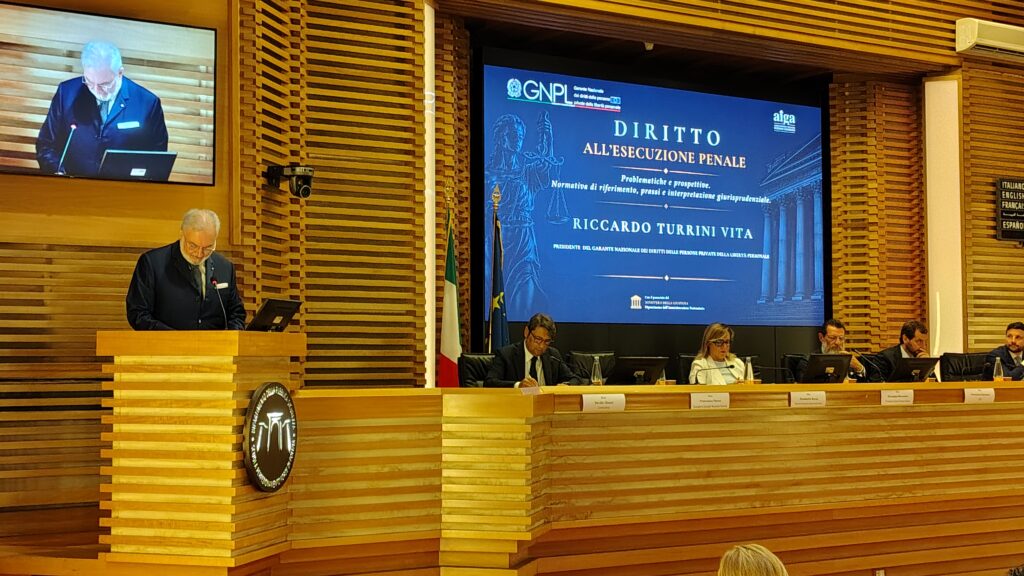
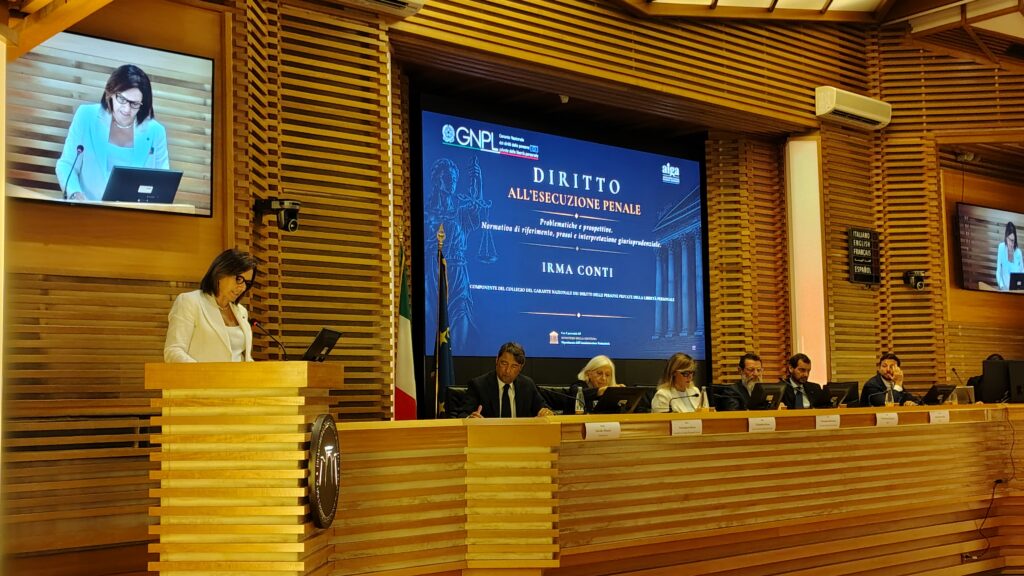
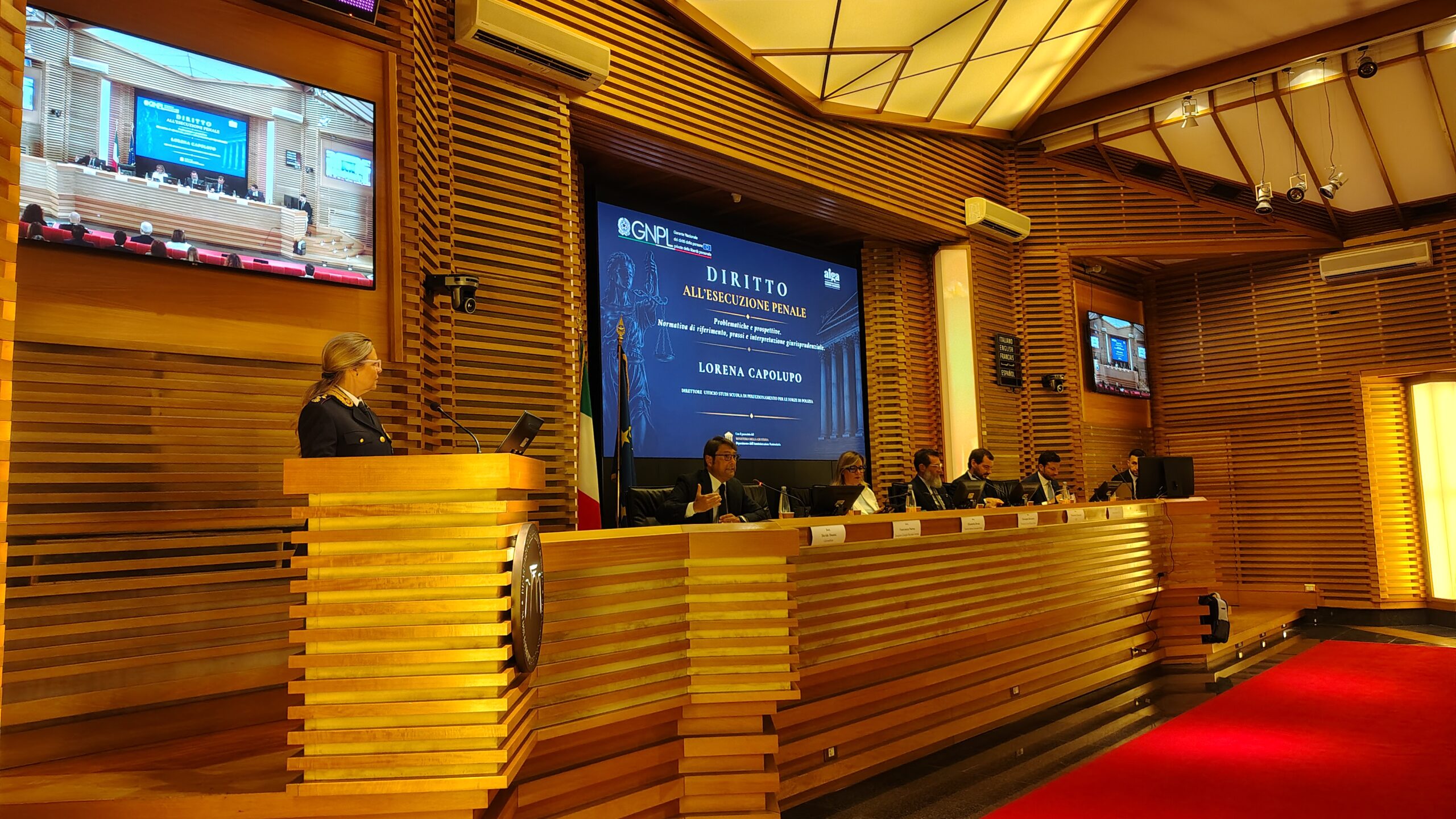
Following the welcome remarks addressed to the participants by the Director of the SFP’s Study Office, Italian National Police Primo Dirigente Lorena Capolupo, the opening remarks were delivered by the President of the GNPL, Mr. Riccardo Turrini Vita, who outlined and defined the guidelines for institutional action, while Attorney Irma Conti (Member of the GNPL Board) emphasized that, in order to redefine the execution of sentences, it is essential to invest simultaneously in three pillars: technological innovation, the development of human capital, and the full implementation of alternative measures outside prison facilities.
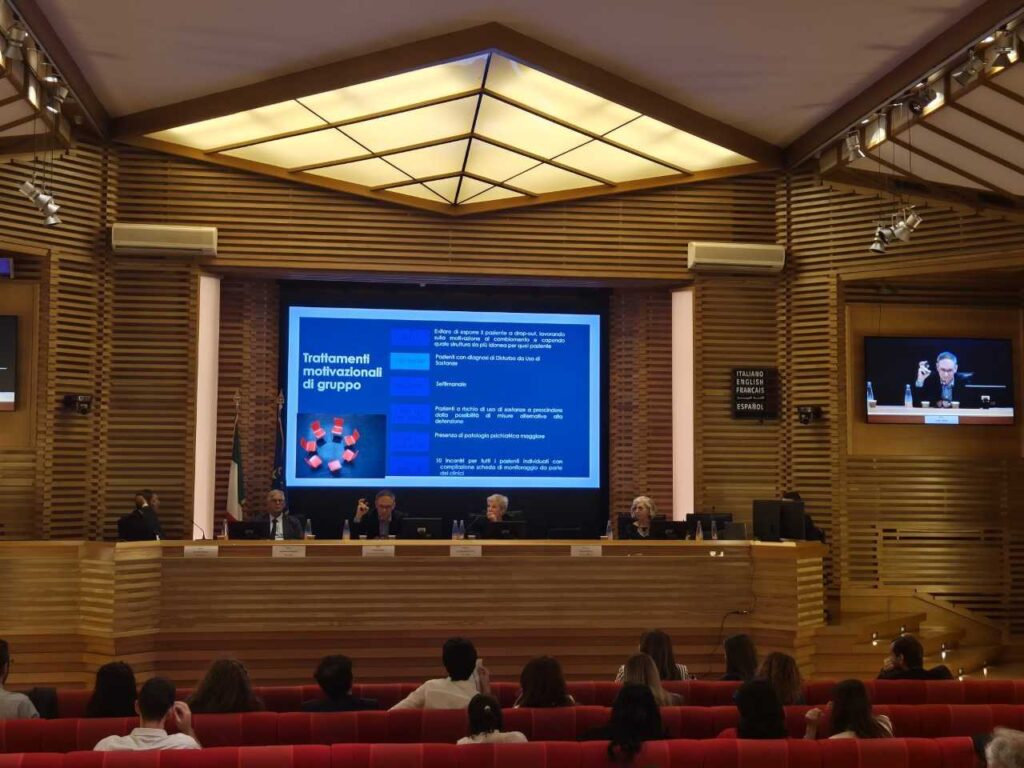
In the many presentations dedicated to health in prisons, dramatic statistical data emerged, attesting to a structural transformation of the prison population. According to Mr. Giovanni Suriano (GNPL), these figures reveal a profound shift in the vulnerabilities that prisons must address, requiring a systemic response supported at the national level by a network of approximately 700 social rehabilitation facilities.
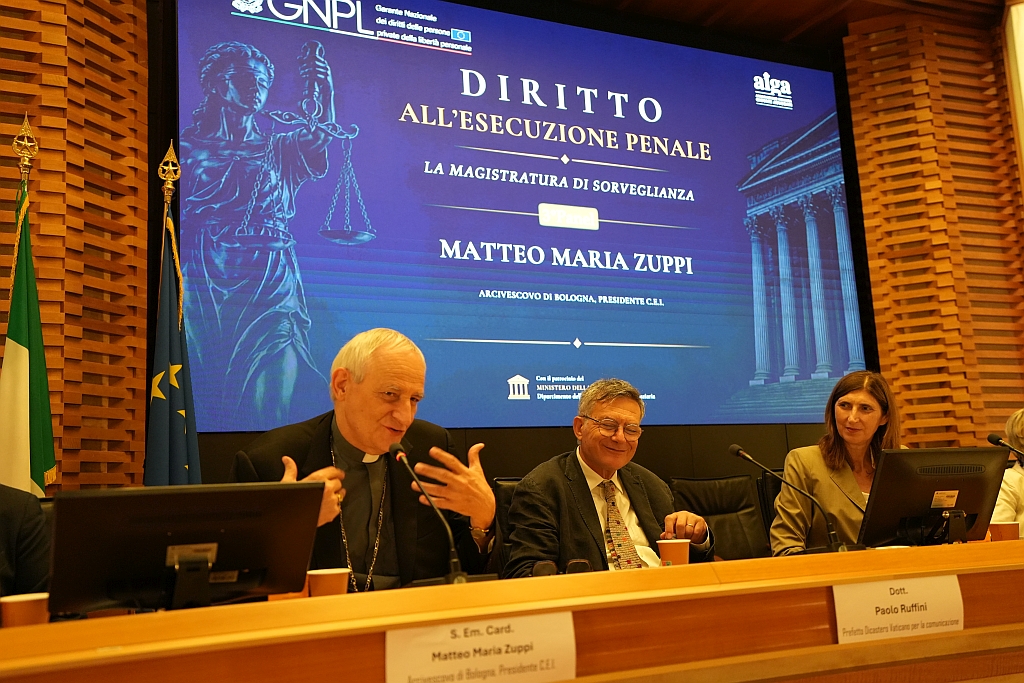
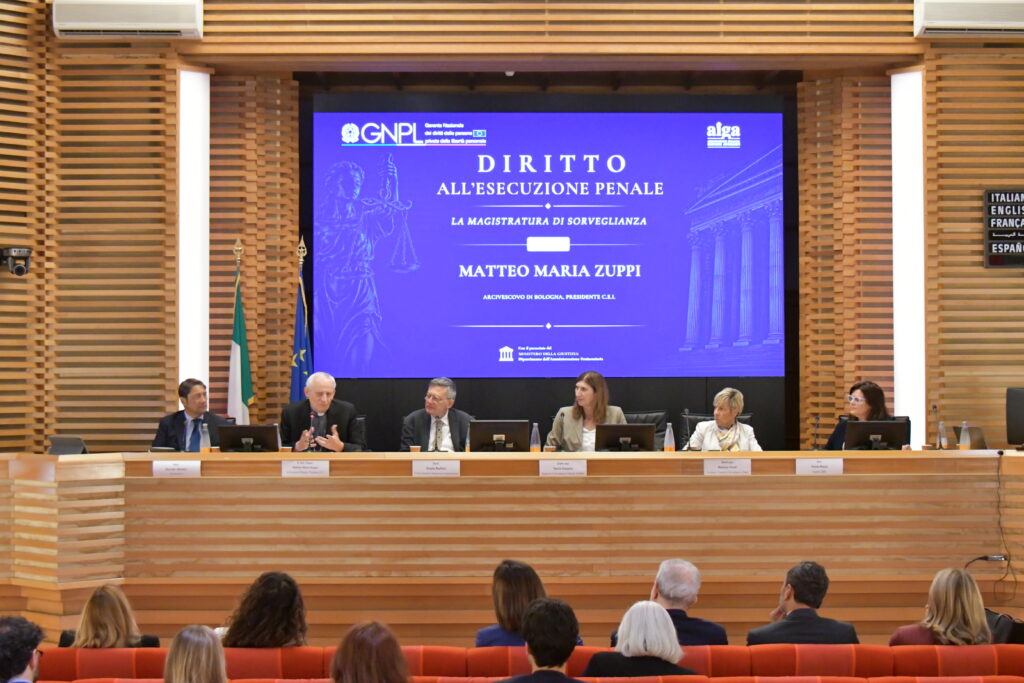
The second day featured an authoritative reflection by His Eminence Cardinal Matteo Maria Zuppi, President of the CEI, who, introduced alongside Prefetto Paolo Ruffini by a greeting from AIGA President Luigi Bartolomeo Terzo, strongly denounced overcrowding and unacceptable living conditions in prisons, exacerbated by the climate emergency. The Cardinal emphasized the need to “open cracks through which light can filter,” identifying work, ties to the local community, and the strengthening of key roles—such as social workers and prison officers—as the only real guarantees for rehabilitation and the reduction of recidivism.
The event’s intensive program was organized into four expert panels that explored crucial issues such as: the ethics of communication in the relationship between the justice system and the media; health and “dual diagnoses”; the Supervisory Judiciary; and, finally, Inclusion, focused on the social reintegration of inmates.
In the closing remarks of the event—which also featured remarks by the Undersecretary of State for Justice, Sen. Andrea Ostellari, Attorney Irma Conti reiterated that combating overcrowding remains the top priority of the National Guarantor for the Rights of Persons Deprived of Liberty , identifying the acceleration of community-based sentencing programs as the key strategy, accompanied by a timely upgrade of digital infrastructure and a differentiation of sanctions based on the actual characteristics of the incarcerated population.