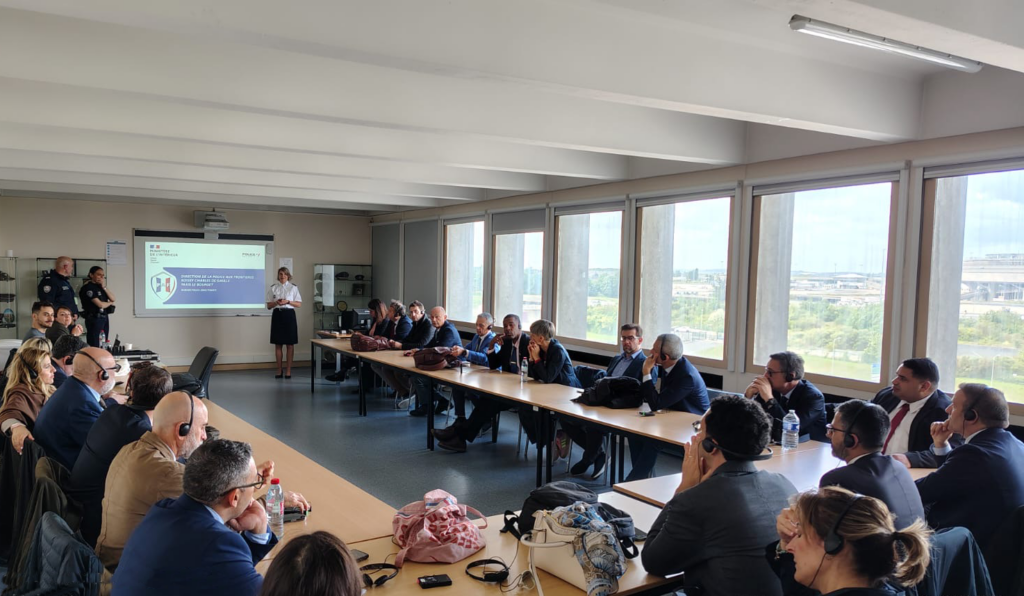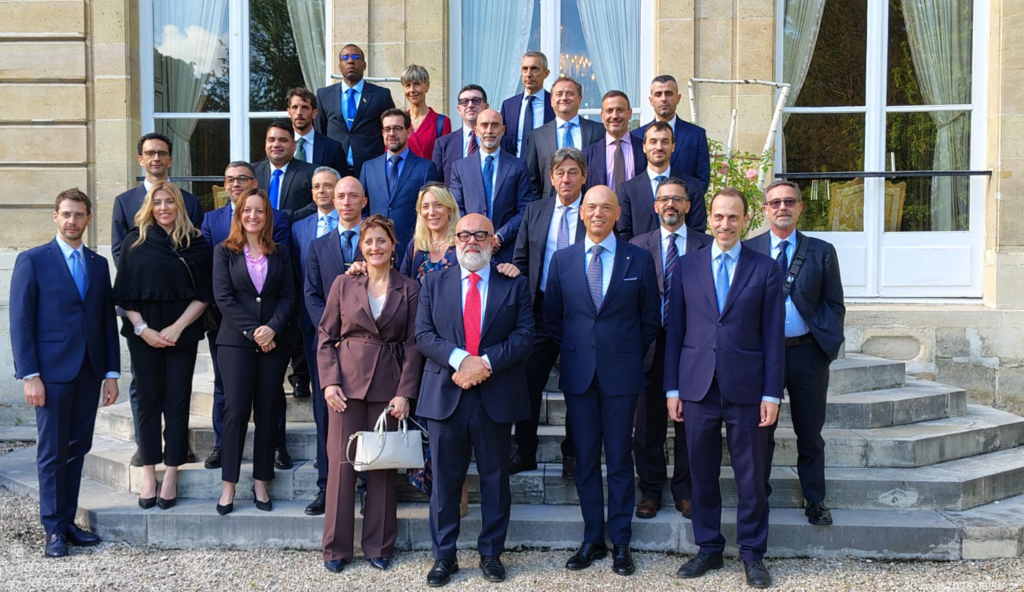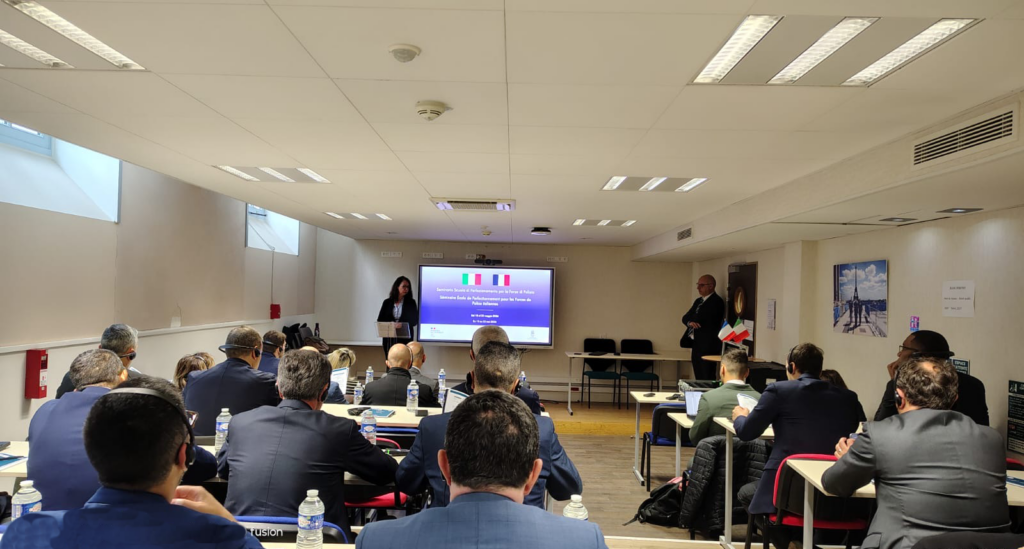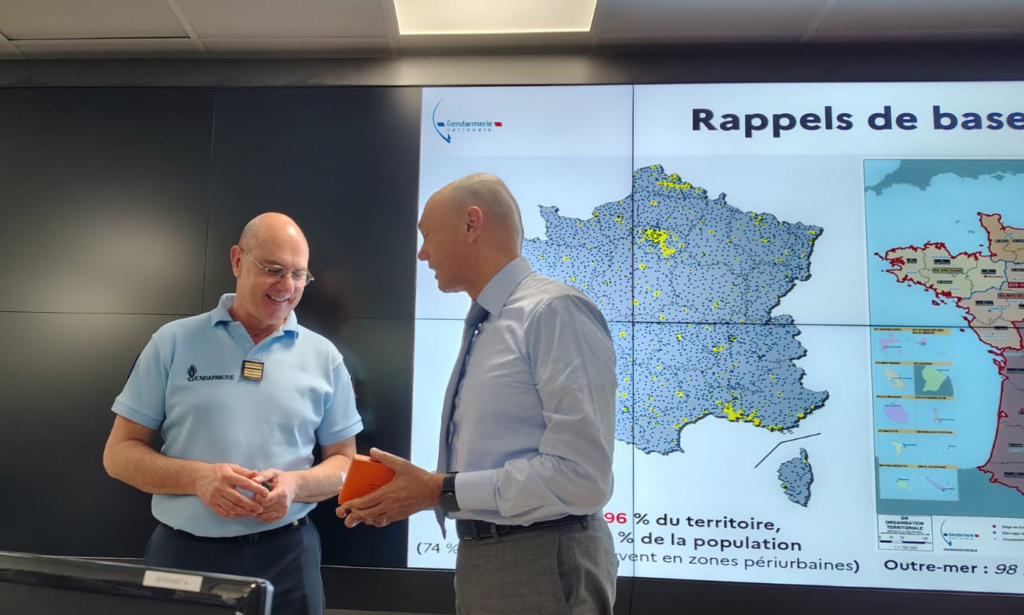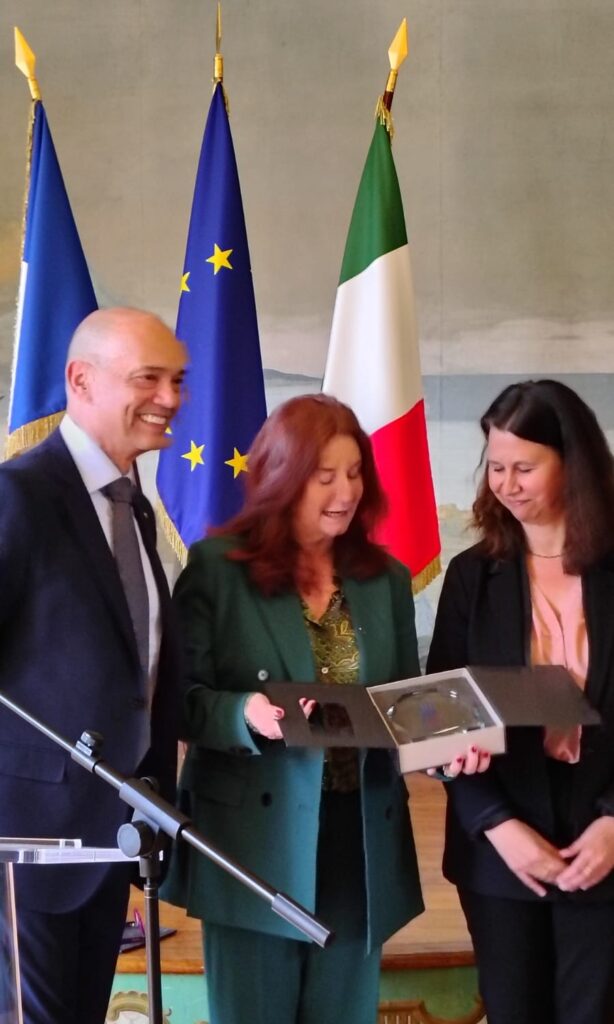
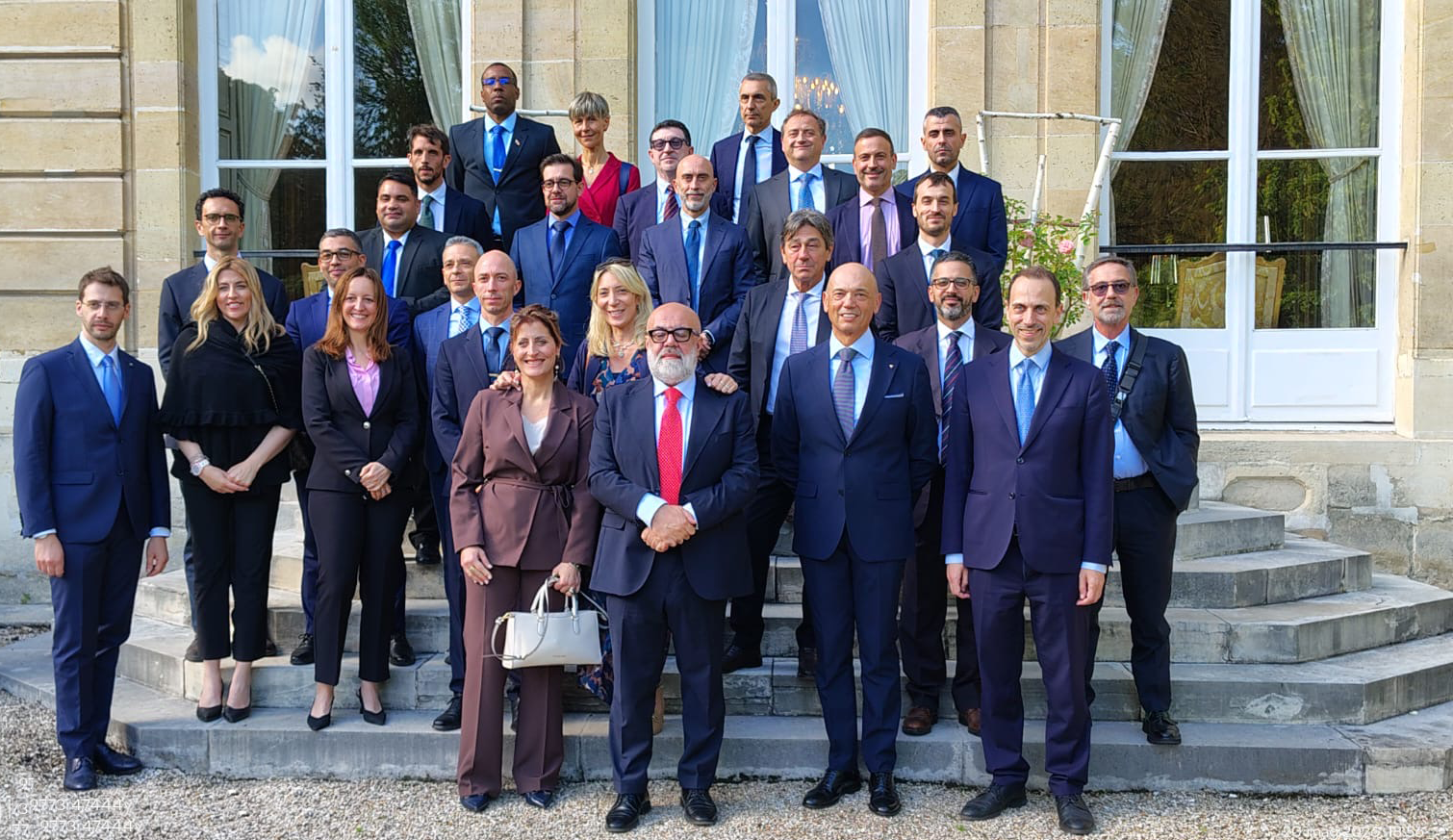
The cultural exchange, which took place in Paris from 18 to 22 May 2026, has come to an end. The attendees of the 41st Advanced Training Course at the Scuola di Perfezionamento per le Forze di Polizia (SFP) were hosted by the Institute des hautes études du ministère de l’Intérieur (IHEMI). This is now a well-established event, reciprocating the visit by the French delegation to Rome a few weeks ago.
During five intensive days, future Italian and French police leaders studied, explored and applied public safety strategies, comparing their respective operational models for handling major emergencies. They focused on all aspects of crisis management: from on-the-ground police operations to the responsibilities of the public sector, and the dynamics of security in the private sector.
The programme alternated between theory and fieldwork, including operational visits to strategic hubs such as Charles de Gaulle Airport and the headquarters of the French Gendarmerie. In the wake of the recent Treaty of the Quirinale, which provides for increasingly strong operational agreements between the French Gendarmerie and the Italian Carabinieri Corps, the relationship between these two institutions that share much of the same organisational model and institutional duties is bound to become even closer.
The real test of this cultural exchange was a high-pressure practical drill. Faced with a simulated scenario of a multiple terrorist attack, the participants had to manage the entire state apparatus in real time: from coordinating the security forces to the health emergency, from on-the-ground investigations to maintaining public order. A comprehensive test that also covered a crucial and highly sensitive aspect of modern emergencies, i.e. the management of communications and relations with the media.
The leader of the Italian delegation was Brigadier General Alessandro della Nebbia, Head of the Second Branch of the SFP. During their stay in Paris, the delegation members were also received by the Italian Ambassdress to Paris, Emanuela D’Alessandro, who emphasised the strategic value of the initiative, remarking that international cooperation is still today the only tool to effectively counter modern global criminal networks.